Do you wake up with a blocked nose, even though you never go outside? Does your home smell stale an hour after you clean it? In Qatar, we keep windows shut and run the AC almost all year. The same air moves around the house again and again. That is why poor indoor air quality signs are easy to miss. This guide explains the common signs, what causes them in Doha homes, and simple fixes you can start today.
Why indoor air gets bad in Qatar homes
Most homes in Qatar are sealed tight against the heat. That saves cooling, but it also traps dust, smells and moisture inside. Here are the main causes:
- Long AC hours: The AC pulls room air through the filter, coil and ducts all day. If these parts are dirty, they send dust and smells back into every room.
- Fine desert dust: Sandstorms and daily dust slip in through door gaps, window frames and shoes. Fine dust settles in carpets, sofas and curtains, then rises again when people walk.
- Humidity and condensation: Cold AC air meets humid air near coils, drain pans and bathrooms. Damp spots can grow mould and give a musty smell.
- Cooking and fragrances: Frying, oud, bakhoor, candles and air fresheners add smoke and particles to closed rooms.
- Little fresh air: With windows closed, there is less fresh air to push stale air out.

Poor indoor air quality signs to watch for
Your home cannot talk, but it gives clues. Watch for these signs:
- Dust comes back fast. You wipe a table and it is dusty again in a day or two.
- Musty or stale smell. The smell is stronger when the AC starts, or in closed rooms.
- Black dots or dust around AC vents. Dark marks on the vent grille often mean dirt or moisture inside.
- Stuffy, heavy air. Rooms feel “thick” even when the AC is cold.
- Family members sneeze or cough more at home. Some people feel better at the office or outside, then worse when they come home.
- Mould spots. You see dark patches on bathroom ceilings, behind furniture or near windows.
- Condensation on windows or AC units. Water drops point to high moisture in the room.
- Smells that do not leave. Cooking or smoke smells hang in the house for a long time.
Note: if anyone at home has ongoing breathing or health problems, please speak to a doctor. Cleaning helps the home, but it does not replace medical advice.
Fixes for poor indoor air at home
1. Dirty AC filters
Filters catch dust before it reaches the coil. In dusty weather they block up quickly.
Fix: Check filters often and wash or replace them as the AC maker advises. Check more often after sandstorms.
2. Dirty AC coils and drain pans
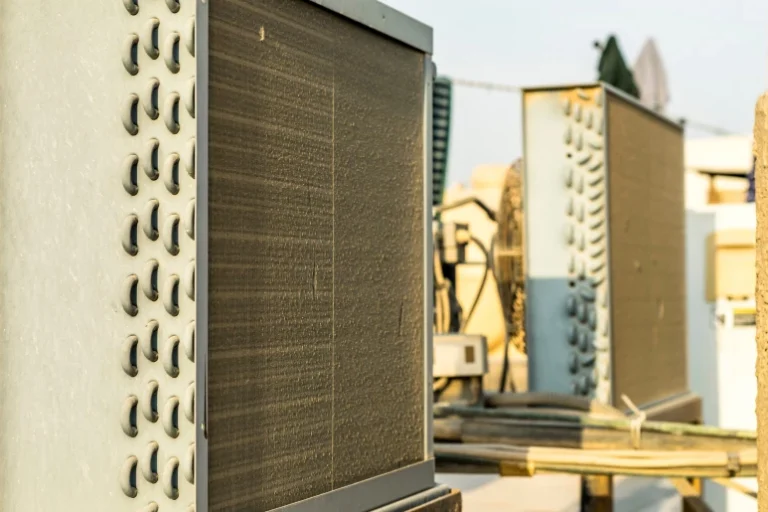
Dust sticks to the wet coil and makes a layer where smells can grow. A blocked drain pan holds still water.
Fix: Book a proper AC coil cleaning so the coil, fins and drain line are cleaned, not just the front cover.
3. Dust inside the ducts
In central and ducted AC systems, dust builds up inside the ducts over time. Every time the AC runs, some of it blows into your rooms.
Fix: Get the ducts inspected. If they are dirty, HVAC air duct cleaning removes the dust from inside the system.
4. Dust stored in soft furniture
Carpets, rugs, sofas, mattresses and curtains hold fine dust like a sponge.
Fix: Vacuum with a good filter vacuum and plan a deep cleaning of soft surfaces from time to time.
5. Too much moisture
Bathrooms without good exhaust fans, wet clothes drying indoors and leaking AC lines all add moisture.
Fix: Run bathroom exhaust fans, dry clothes in a ventilated area, and fix leaks quickly.
6. Strong smoke and fragrance
Bakhoor, candles and frying are part of daily life, but in a sealed room the smoke stays.
Fix: Use the kitchen hood when cooking. Burn bakhoor in a well-ventilated room and open a window for a few minutes after.

What you can do today
- Open windows for 10 to 15 minutes early in the morning when it is cooler and less dusty.
- Check and clean your AC filters.
- Look at AC vents for black dots or dust lines.
- Turn on bathroom and kitchen exhaust fans while in use.
- Wipe dust with a damp cloth, not a dry duster, so dust does not fly back up.
- Leave shoes at the door to reduce sand coming inside.
- Check for damp spots behind furniture and under sinks.
When to call a professional
Basic care helps, but some problems are inside the AC system or hidden in the building. Call a professional when:
- The musty smell comes back soon after you clean.
- Dust keeps blowing out of the vents.
- You see mould near AC units, vents or ceilings.
- Your family keeps feeling stuffy at home and you want to know why.
- You moved into a new villa or apartment and do not know when the AC system was last cleaned.
An indoor air quality checking visit helps you find the cause first, so you pay for the right fix and not guesswork.
How Emerald fixes it
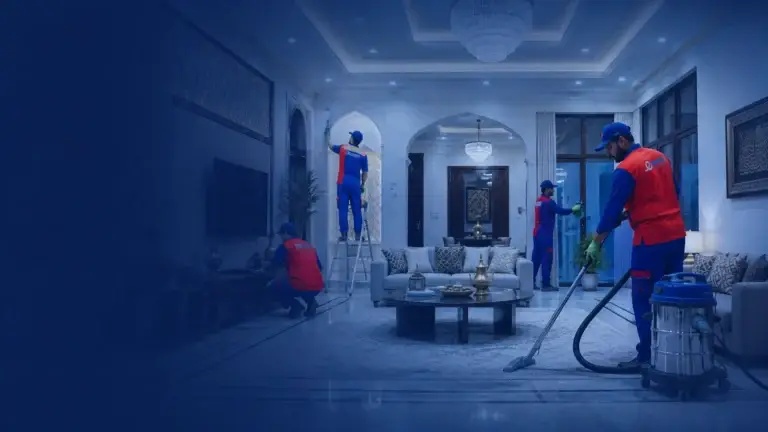
Emerald Qatar has been cleaning, maintaining and restoring homes and buildings in Doha since 2010. We are ISO certified and have served 18,000+ clients. Our trained teams use proper machines, not just cloths and sprays.
- We inspect the AC system and the home to find where the problem starts.
- For ducts, we use robotic duct cleaning with rotating brushes to loosen dust inside the ducts.
- HEPA negative-air machines pull the loosened dust out, so it does not spread into your rooms.
- We clean AC coils and can deep clean carpets, sofas, mattresses and curtains to remove stored dust.
FAQ
What are the most common poor indoor air quality signs?
Dust that returns fast, a musty smell when the AC starts, black marks around vents, mould spots, and a stuffy feeling in closed rooms.
Can a dirty AC make indoor air worse?
Yes. A dirty filter, coil or duct can blow dust and smells into every room each time the AC runs.
Do air purifiers fix the problem?
They can help, but they do not clean the source. If the dust or smell comes from the AC or ducts, that needs cleaning too.
How do I know if I need air quality checking?
If the signs keep coming back after normal cleaning, an indoor air quality check helps find the real cause.
Tired of dusty, stuffy air at home? Book indoor air quality checking in Qatar with Emerald and breathe easier. Call or WhatsApp us on +974 3132 4151 for a quick visit.