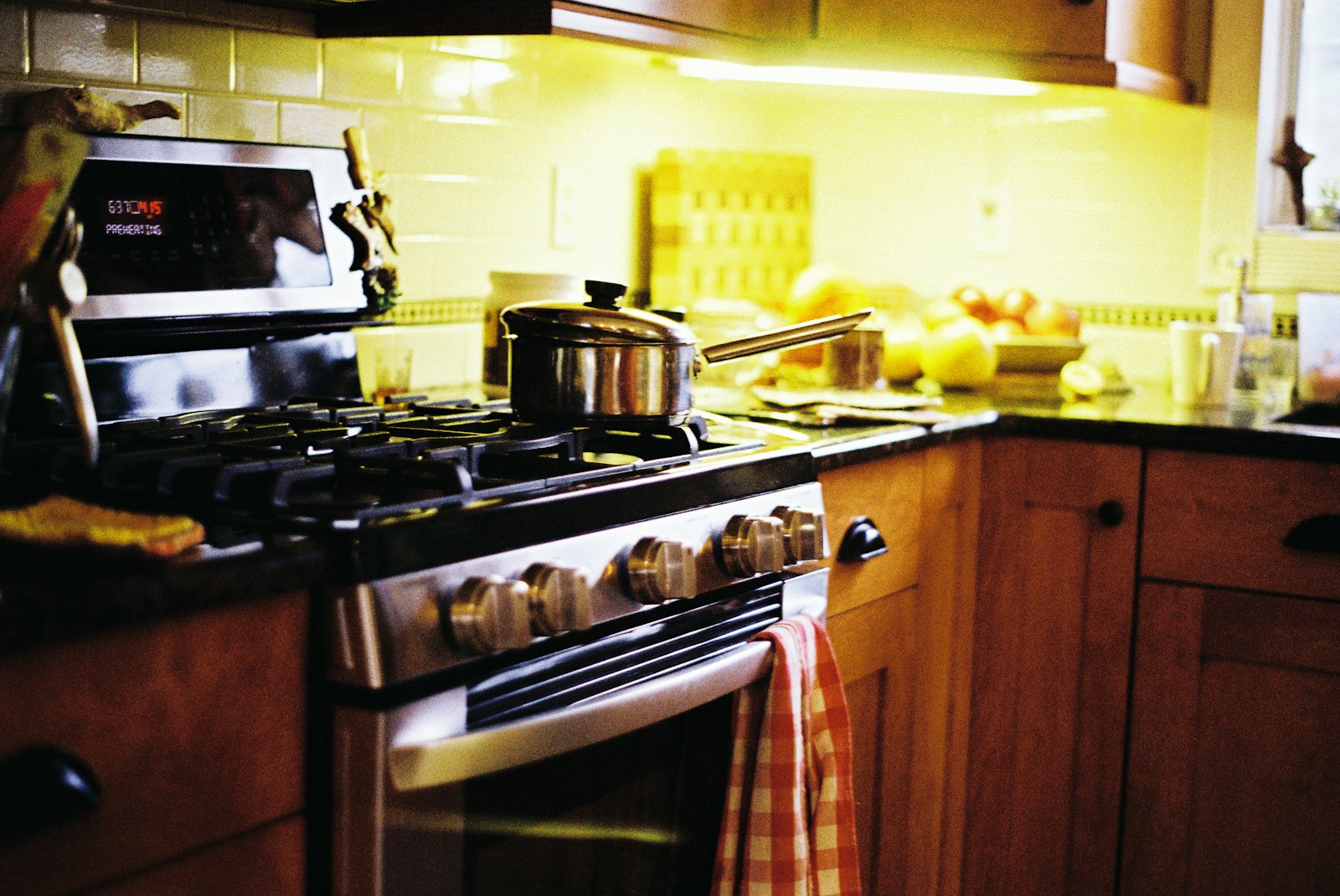
Sticky cabinets. A kitchen hood that feels tacky when you touch it. A yellow film on the tiles behind the stove. If this sounds like your kitchen, you are not alone. Many families in Qatar want to remove kitchen grease but find that normal wiping just spreads it around. In this guide we explain why grease builds up so fast in Doha homes, and how to clean it step by step.
In Qatar, kitchens work hard. We cook rich food, we fry often, and windows stay closed for most of the year because of the heat. The AC runs for long hours, so cooking smoke has nowhere to go. Fine dust from outside then sticks to the oily film. The result is a thick, brown layer on cabinets, the hood and the wall.
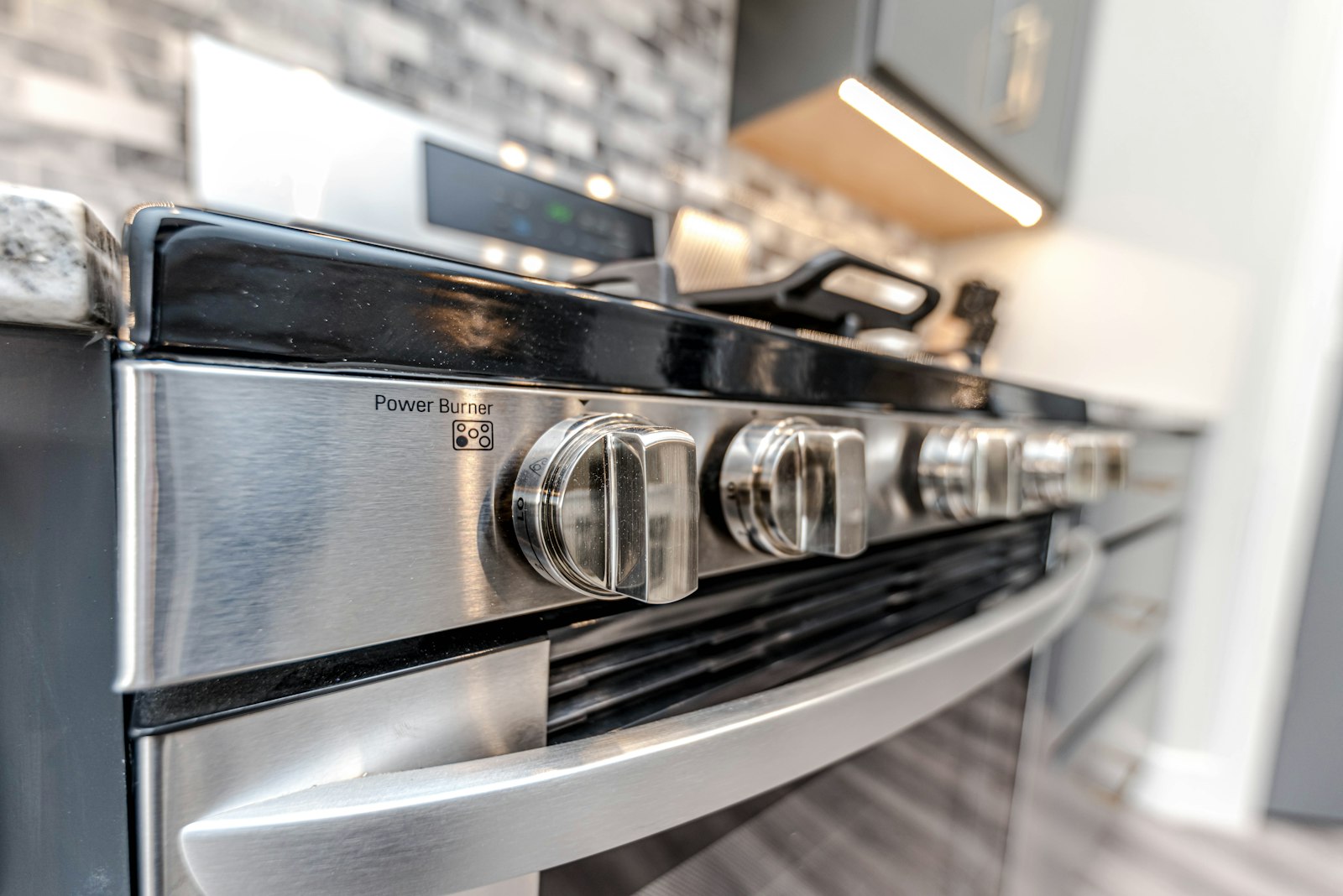
Why kitchen grease builds up so fast in Qatar
Before you start scrubbing, it helps to know where the grease comes from. When you fix the cause, the grease comes back more slowly.
- Cooking oil in the air: frying and high-heat cooking turn oil into tiny drops. These drops float and land on every surface near the stove.
- Weak or dirty hood filters: when the metal filters in your kitchen hood are full of grease, the fan cannot pull smoke out. The oil stays in the room.
- Closed windows and long AC hours: in summer the kitchen stays sealed. Cooking smoke settles inside instead of leaving.
- Dust plus oil: Qatar dust sticks to the oily layer. Together they form a hard, sticky crust that is much harder to clean than oil alone.
- Heat: warm grease spreads easily, then hardens as it cools. Layer after layer, it becomes thick and dark.
How to remove kitchen grease: 6 practical fixes
Start with the gentle method and only move to stronger cleaners if needed. Always test any cleaner on a small hidden spot first, especially on painted or wooden cabinets.
1. Warm water and dish soap for light grease
Fresh, light grease often comes off with simple dish soap. Dish soap is made to break down oil.
Fix: Mix a few drops of dish soap in a bowl of warm water. Wipe with a soft cloth, then wipe again with a clean damp cloth and dry. Do this weekly on cabinet doors near the stove.
2. Baking soda paste for sticky cabinet doors
When the cabinets feel tacky, you need a little gentle scrubbing power.
Fix: Mix baking soda with a little water to make a paste. Rub it on the sticky area with a soft sponge, moving with the wood grain. Wipe it off with a damp cloth and dry well. Do not soak wooden doors with water.
3. Soak the hood filters
Dirty filters are the main reason grease spreads around the kitchen. Clean filters help the hood do its job.
Fix: Take out the metal filters. Soak them in a sink of very hot water with dish soap and a few spoons of baking soda for 15 to 20 minutes. Scrub gently with a soft brush, rinse and let them dry fully before you put them back. Paper or charcoal filters should be replaced, not washed.
4. Degrease the hood surface and the wall behind the stove
The outside of the hood and the tiles behind the hob get the heaviest splash.
Fix: Use a kitchen degreaser made for the surface (stainless steel, glass or tiles). Spray, wait one or two minutes, then wipe. For stainless steel, finish with a dry microfibre cloth along the grain to avoid streaks. For tile grout, use a soft brush.
5. Use steam on hard surfaces
Steam softens old, hard grease without heavy chemicals.
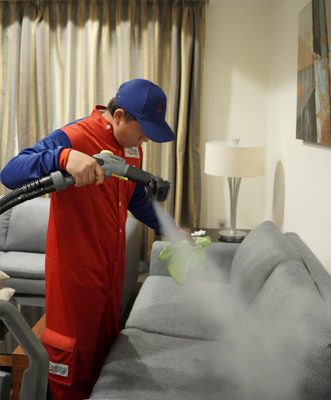
Fix: If you have a handheld steamer, use it on tiles, the hob area and metal parts. Wipe right after steaming while the grease is soft. Keep steam away from electrical parts and wooden surfaces.
6. Do not forget the hidden spots
Grease also hides on cabinet tops, handles, light switches and the area above the fridge.
Fix: Once a month, use a step stool and clean the tops of cabinets with the soap or baking soda method. Wipe handles and switches every few days.
What to avoid when cleaning greasy cabinets
- Steel wool or hard scrubbers on painted, glossy or wooden cabinets. They leave scratches.
- Mixing cleaning products, especially bleach with other cleaners.
- Too much water on wooden or MDF doors. They can swell.
- Strong oven cleaner on cabinets. It can damage paint and finish.
What you can do today
- Turn on the kitchen hood every time you cook, and leave it on for a few minutes after.
- Take out the hood filters and soak them in hot soapy water.
- Wipe the cabinet doors next to the stove with warm soapy water.
- Clean the tiles behind the hob with a degreaser and dry them.
- Use lids when frying to reduce oil in the air.
- Set a weekly reminder for a quick grease wipe.
When to call a professional
Home methods work well for light and medium grease. But some kitchens need more. Call a professional cleaning team when:
- The grease is thick, dark and does not move with normal cleaners.
- The hood still smells or drips oil after you clean the filters.
- Cabinet tops, the hood inside and the wall are all greasy at the same time.
- You are moving in or moving out and need the whole kitchen clean in one day.
- You run a restaurant or commercial kitchen. Grease inside exhaust ducts is a fire risk and needs specialist kitchen duct and exhaust fan cleaning.
How Emerald fixes it
Emerald Qatar has been cleaning homes and businesses in Doha since 2010. We are an ISO certified company trusted by more than 18,000 clients. Our trained teams bring the right machines and safe degreasers for each surface. During a kitchen deep cleaning service in Qatar, we clean cabinets inside and out, the hood and filters, tiles and grout, the hob, and appliances. If the whole home needs attention, we also offer full deep cleaning services and villa deep cleaning in Doha.
FAQ
What is the best way to remove kitchen grease from wooden cabinets?
Start with warm water and dish soap. For sticky spots, use a soft baking soda paste, wipe it off and dry the wood well. Avoid soaking the wood.
How often should I clean my kitchen hood filters?
If you cook every day, clean metal filters about once a month. If you fry often, clean them more often.
Why do my cabinets get sticky again so fast?
Usually the hood is not pulling smoke out well, often because of dirty filters or not using the hood while cooking. Dust in the air also sticks to the oil.
Is kitchen grease a fire risk?
Yes. Grease is flammable. In homes, keep the hood and filters clean. In restaurants, grease inside exhaust ducts must be cleaned by professionals.
Tired of sticky cabinets and a greasy hood? Let our team do the hard work. Book our kitchen deep cleaning service or message us on WhatsApp +974 3132 4151 to book a visit today.